




Quantum Partners Group has announced plans to establish Africa’s first Green Climate Finance Bank, an initiative aimed at addressing the continent’s climate financing gap and expanding access to funding for renewable energy, sustainable agriculture and climate adaptation projects.
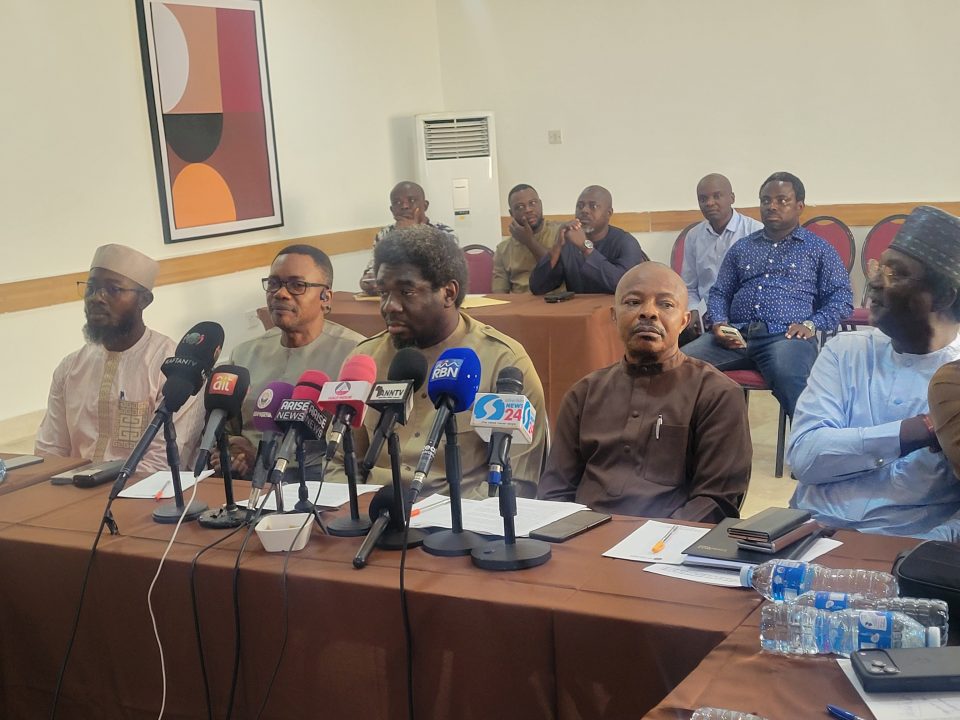
The announcement was made by the Group’s co-founders, Samuel Ndubuisi-Brown and Oluwafemi Adedipe, on the sidelines of the 31st United Nations Climate Change Conference (COP31) in Antalya, Türkiye.
The proposed institution, to operate through the group’s climate and sustainable finance arm, QP Climate, is expected to provide a dedicated platform for mobilising, channelling and scaling investments into climate-related projects across Africa.
The initiative comes amid growing concerns over the disparity between Africa’s climate financing requirements and the funding currently reaching the continent, despite its relatively low contribution to global greenhouse gas emissions and disproportionate exposure to climate impacts.
Quantum Partners, citing estimates by the Climate Policy Initiative, said Africa would require approximately $250 billion annually in climate finance up to 2030, but actual funding flows remained significantly below the amount needed.
The group identified limited access to international climate funds, fragmented financing channels and lengthy funding processes as major obstacles preventing African governments, businesses and institutions from securing the resources needed to respond to climate change.
It said the proposed bank would seek to bridge these gaps by creating structured financing channels through which governments and businesses could access capital for climate-resilient infrastructure, clean energy, sustainable agriculture and other green investments.
The institution is also expected to connect international investors with viable climate investment opportunities across the continent, while helping translate climate commitments into bankable projects and measurable development outcomes.
Speaking on the initiative, Ndubuisi-Brown said Africa needs to take greater ownership of financing its climate transition rather than continue to depend on funding arrangements that often make access difficult for countries most affected by climate change.
“Africa should not have to wait the longest for the funding to fight a crisis it did the least to cause. Today we are declaring that Africa will build its own institution to finance its green future.
“This is a bank built by Africans, for Africa’s climate resilience and growth,” he said.
Adedipe said the initiative was designed to move climate finance beyond pledges and international commitments towards investments that deliver tangible results.
“Climate finance only matters when it moves, from pledge to project, from announcement to impact. The Green Climate Finance Bank exists to make that movement faster, more transparent and more accessible.
“We are inviting governments, development partners and investors to build it with us,” he said.
The group called on African governments, multilateral institutions, development finance institutions, impact investors, corporate organisations and climate-focused bodies participating in COP31 to explore partnerships and opportunities to participate in the bank’s formation and rollout.
It said collaboration with these institutions would be critical to mobilising the capital, expertise and institutional support required to establish the proposed financing platform.
Quantum Partners Group operates as a venture capital and private equity firm, while QP Climate focuses on climate and sustainable finance, particularly mobilising investments to support Africa’s green transition.
The proposed bank is expected to support the continent’s efforts to strengthen climate resilience, accelerate sustainable economic development and expand investments in low-carbon infrastructure.
However, its effectiveness will depend on the institution’s financing structure, regulatory framework, capitalisation, governance arrangements and ability to mobilise funds at scale for projects across African countries.
Its proposed establishment comes as climate finance remains a major sticking point in international climate negotiations, with developing countries pressing for more accessible, predictable and affordable funding to address the impacts of climate change.