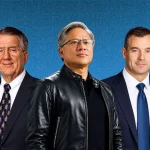





The resignation of Nvidia co-founder Jensen Huang following revelations about his personal relationships has renewed attention to high-profile business leaders who have lost their positions over conduct-related controversies.
Huang, who built Nvidia into one of the world’s most valuable technology companies, resigned as president and chief executive officer effective November 11, 2026.
The company announced his departure publicly on November 12, following revelations about his extramarital relationships, including reported relationships involving Nvidia employees and Chinese businesswoman Alice Huang, whose alleged links to Chinese intelligence have attracted scrutiny from US authorities.
Nvidia appointed Chief Financial Officer Colette Kress as interim CEO while beginning the search for a permanent successor.
Huang’s departure is part of a longer history of corporate leaders whose personal conduct, workplace relationships or failure to disclose relevant information has cost them their positions. From Boeing and Intel to BP and Nestlé, several multinational companies have experienced unexpected leadership changes following controversies involving their top executives.
In this article, Nairametrics takes a look at 10 CEOs who lost their positions following scandals involving personal relationships, workplace misconduct and questions of executive accountability.
10. Harry Stonecipher – Boeing (2005)
Harry Stonecipher resigned as president and chief executive officer of Boeing in March 2005 after the company’s board investigated his personal relationship with a female executive.
Stonecipher, who had earlier retired from Boeing in 2002, was brought back to lead the aerospace manufacturer in late 2003, becoming its president and CEO in December that year.
The company’s board launched an investigation into the relationship following a complaint. Although the executive did not report directly to Stonecipher, the board concluded that his conduct was inconsistent with Boeing’s code of conduct and reflected poorly on his judgment.
Boeing Chairman Lew Platt said the circumstances would impair Stonecipher’s ability to lead the company.
The board requested and received his resignation on March 6, 2005, and appointed Chief Financial Officer James Bell as interim president and CEO.
9. Mark Hurd – Hewlett-Packard (2010)
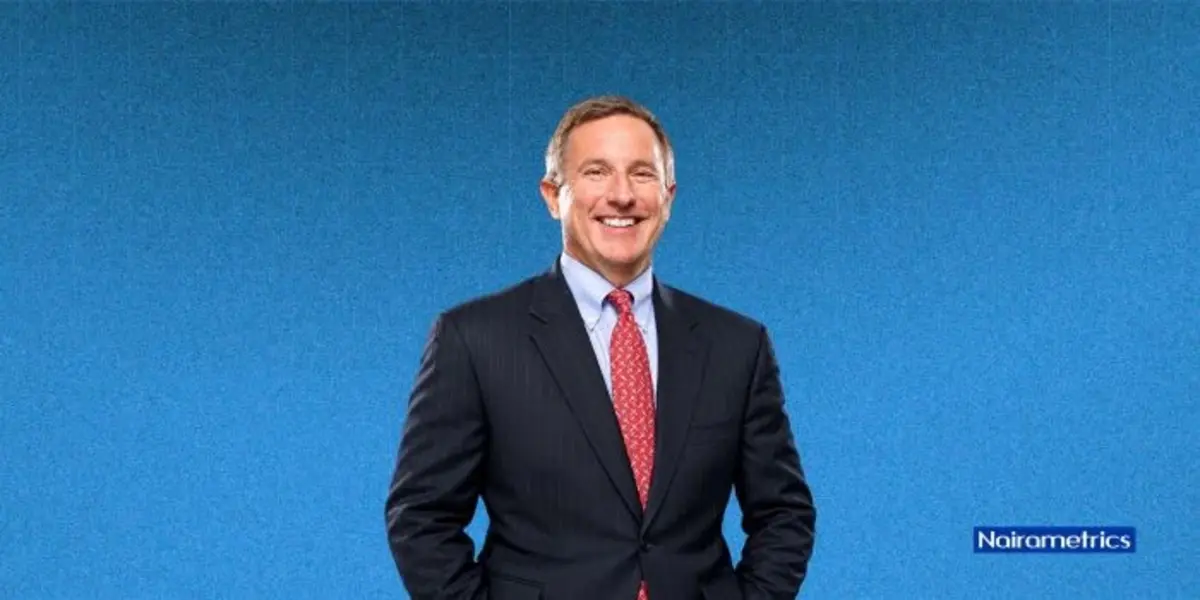
Mark Hurd resigned as chairman, president and CEO of Hewlett-Packard in August 2010 following an internal investigation into allegations of sexual harassment by a former company contractor.
The complaint was made by Jodie Fisher, who had worked with HP as an independent contractor. The company’s investigation found that Hurd had submitted inaccurate expense reports to conceal a personal relationship with Fisher.
HP said the investigation found no evidence that Hurd had violated its sexual harassment policy. However, the company concluded that his conduct breached its standards of business conduct and that he had provided inaccurate information about the relationship.
Hurd said he had not lived up to the standards of trust, respect and integrity expected of him. He resigned after five years at the helm of the technology company.
HP appointed Chief Financial Officer Cathie Lesjak as interim CEO before later naming Leo Apotheker as Hurd’s successor.
8. Darren Huston – Priceline Group (2016)

Darren Huston resigned as president and CEO of Priceline Group in April 2016 after an investigation found that his personal relationship with an employee violated the company’s code of conduct.
The relationship involved an employee who did not report directly to him. However, Priceline said the investigation found that Huston’s conduct was inconsistent with the board’s expectations for executive behaviour.
Huston acknowledged his misconduct and expressed regret, according to the company. His resignation took effect immediately after he had led the online travel company since January 2014.
Priceline appointed its chairman and former CEO, Jeffery Boyd, as interim chief executive while it searched for a successor. Gillian Tans, then president and chief operating officer of Booking.com, subsequently became CEO of the subsidiary.
7. Brian Krzanich – Intel (2018)
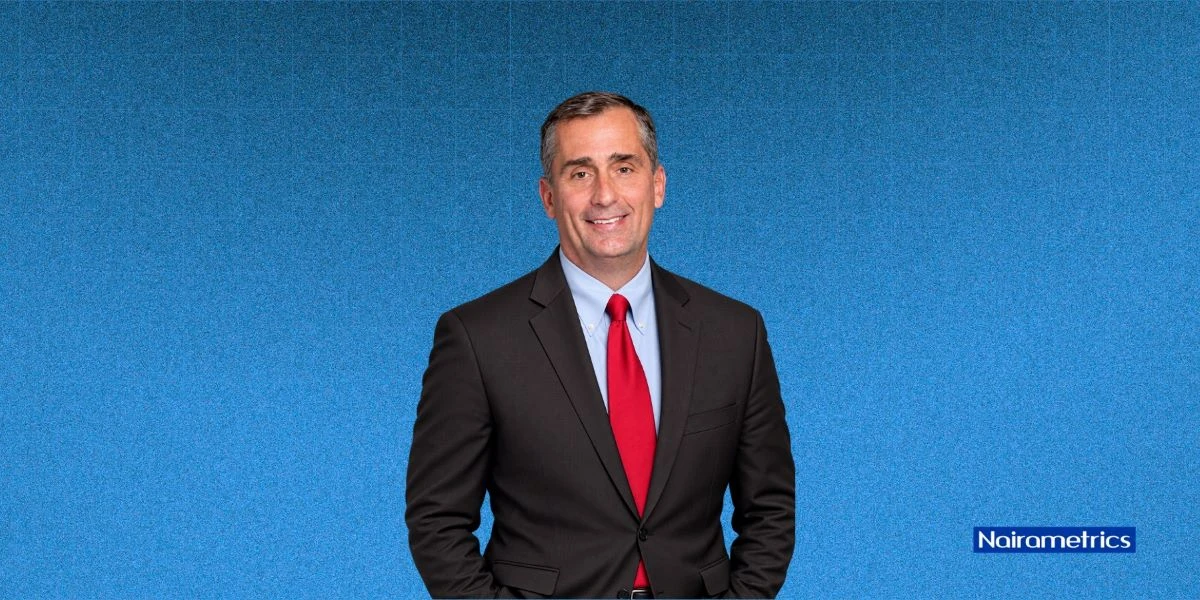
Brian Krzanich resigned as CEO of Intel in June 2018 after the company confirmed that he had engaged in a past consensual relationship with an employee, violating its non-fraternisation policy.
Intel said an investigation conducted by internal and external counsel established that the relationship breached a policy applicable to all managers. The company said its rules required employees, including senior executives, to comply with its code of conduct.
The board accepted Krzanich’s resignation with immediate effect, alongside his departure from the company’s board of directors.
Krzanich had served as Intel’s CEO since 2013, overseeing the chipmaker during a period of significant changes in the semiconductor industry. Chief Financial Officer Robert Swan was appointed interim CEO while the board searched for a permanent replacement.
6. Steve Easterbrook – McDonald’s (2019)

Steve Easterbrook was dismissed as president and CEO of McDonald’s in November 2019 after the company found that he had engaged in a consensual relationship with an employee, violating its standards of business conduct.
McDonald’s said the relationship demonstrated poor judgment and breached company policy. His departure initially came under a separation agreement that allowed him to retain substantial compensation.
However, a subsequent investigation in 2020 found that he had engaged in other undisclosed relationships with employees, contrary to what he had told investigators. McDonald’s subsequently recovered his separation compensation.
In January 2023, the US Securities and Exchange Commission charged Easterbrook with making false and misleading statements to investors about the circumstances surrounding his departure. He agreed to pay a $400,000 civil penalty and accept a five-year bar from serving as an officer or director of a public company, without admitting or denying the regulator’s findings.
McDonald’s also faced an SEC charge over shortcomings in its public disclosures relating to his departure.
5. Bernard Looney – BP (2023)
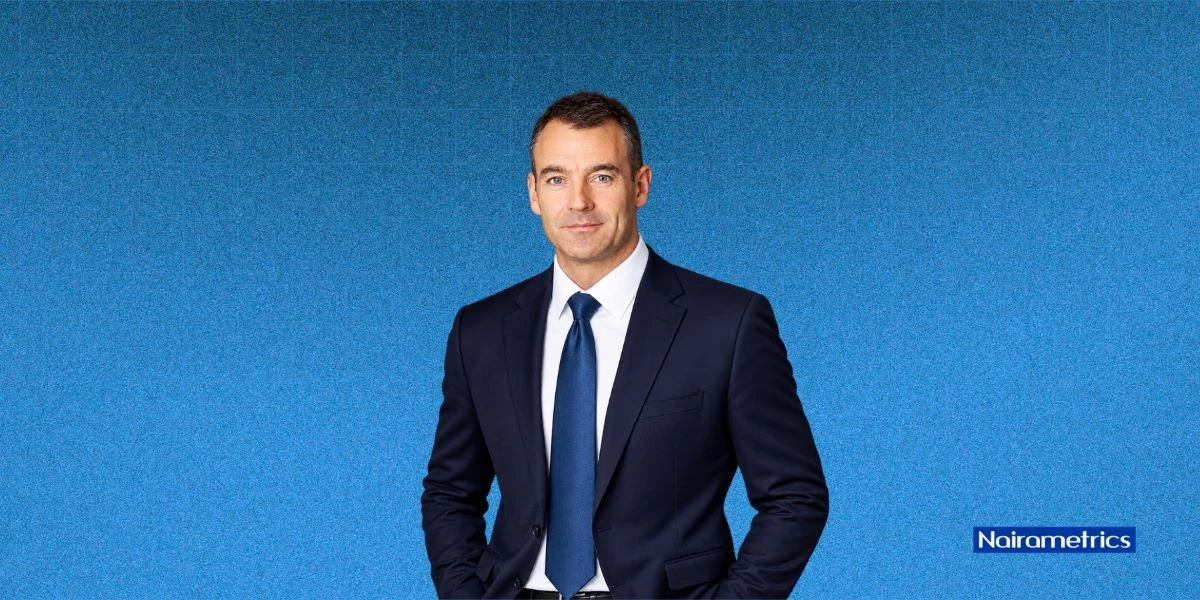
Bernard Looney resigned as CEO of BP in September 2023 after acknowledging that he had not been fully transparent in disclosures about his past personal relationships with company colleagues.
The issue emerged after BP’s board received further allegations about his relationships and began another investigation. The company had previously reviewed similar allegations in 2022, when Looney disclosed a small number of historical relationships and provided assurances about his past conduct and future behaviour.
Following the new disclosures, Looney informed the board that he had not been fully transparent in those assurances and resigned with immediate effect.
The matter did not end with his resignation. In December 2023, BP said its board had concluded that Looney knowingly misled it by providing inaccurate and incomplete assurances. The company subsequently dismissed him without notice, ending his entitlement to further salary, benefits and annual bonuses.
Looney had been CEO since February 2020, having spent more than three decades with the energy company.
4. Alan Shaw – Norfolk Southern (2024)
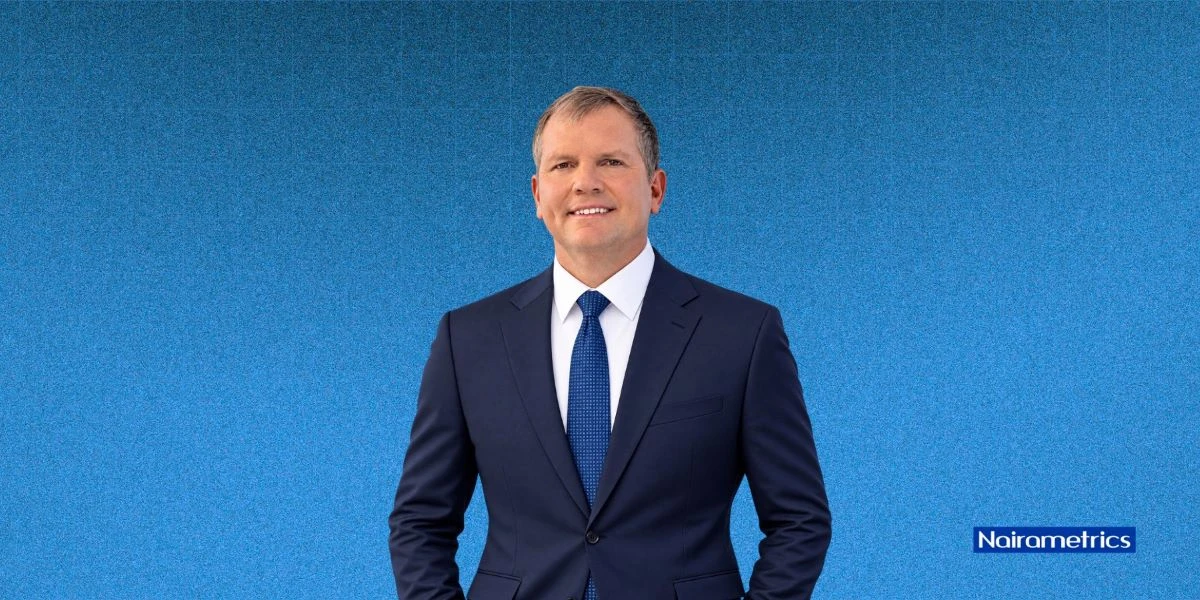
Alan Shaw was terminated as president and CEO of Norfolk Southern in September 2024 after an investigation found that he had violated company policies by engaging in a consensual relationship with the company’s chief legal officer, Nabanita Nag.
The board’s decision followed preliminary findings from an investigation conducted by independent counsel. Norfolk Southern said the conduct was unrelated to the company’s strategy, financial performance, technology, market operations, reporting or internal controls.
Nag was also terminated from her position as chief legal officer.
The company appointed its Chief Financial Officer, Mark George, as president and CEO with immediate effect. Shaw had led the railway company since 2022, having joined it in 1994.
His removal came as Norfolk Southern was still dealing with the fallout from the February 2023 train derailment in East Palestine, Ohio, although the company explicitly said the conduct that led to his termination was unrelated to its operations or performance.
3. Andy Byron – Astronomer (2025)

Andy Byron resigned as CEO of data infrastructure company Astronomer in July 2025 after a video showing him embracing the company’s Chief People Officer, Kristin Cabot, at a Coldplay concert went viral.
The footage, recorded during a concert in Massachusetts, showed the pair reacting awkwardly after appearing on the venue’s big screen. Their identities and professional positions subsequently attracted widespread attention, prompting public scrutiny of their relationship.
Astronomer placed Byron on leave and announced a review of the incident. The company later confirmed that he had tendered his resignation and that its board had accepted it.
Astronomer said its leaders were expected to uphold standards of conduct and accountability, adding that those standards had not been met. Cabot also subsequently left the company.
Unlike several other cases on this list, Byron’s departure followed a viral public incident that triggered a corporate response, rather than an investigation into a previously disclosed workplace relationship.
The incident became one of the most widely discussed corporate controversies of 2025, turning a brief concert video into a major reputational issue for the technology company.
2. Laurent Freixe – Nestlé (2025)
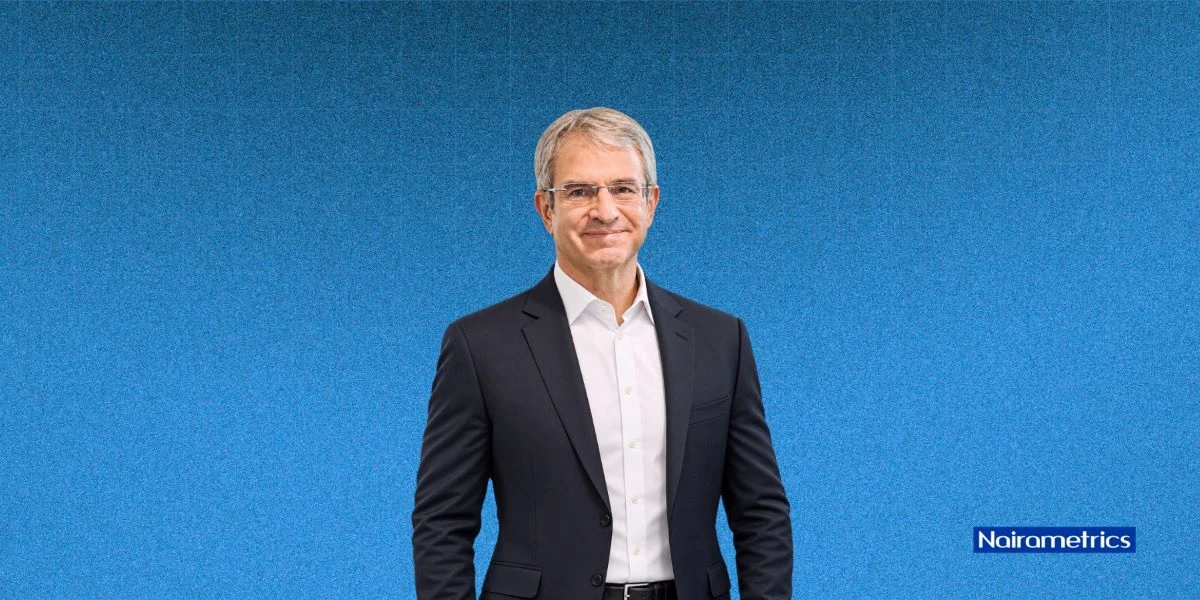
Laurent Freixe was dismissed as CEO of Nestlé in September 2025 following an investigation into an undisclosed romantic relationship with a direct subordinate.
The Swiss food and beverage company said the relationship breached its code of business conduct. The investigation was overseen by Chairman Paul Bulcke and Lead Independent Director Pablo Isla, with support from independent external counsel.
Freixe’s dismissal took effect immediately, less than a year after he became CEO in September 2024. Nestlé appointed Philipp Navratil, a longtime company executive who had led its Nespresso coffee business, as his successor.
The decision marked another major leadership change for the company, which had removed Freixe’s predecessor, Mark Schneider, in August 2024.
Nestlé said the departure was based on the findings of the investigation and described the decision as necessary to uphold its governance standards.
1. Jensen Huang – Nvidia (2026)
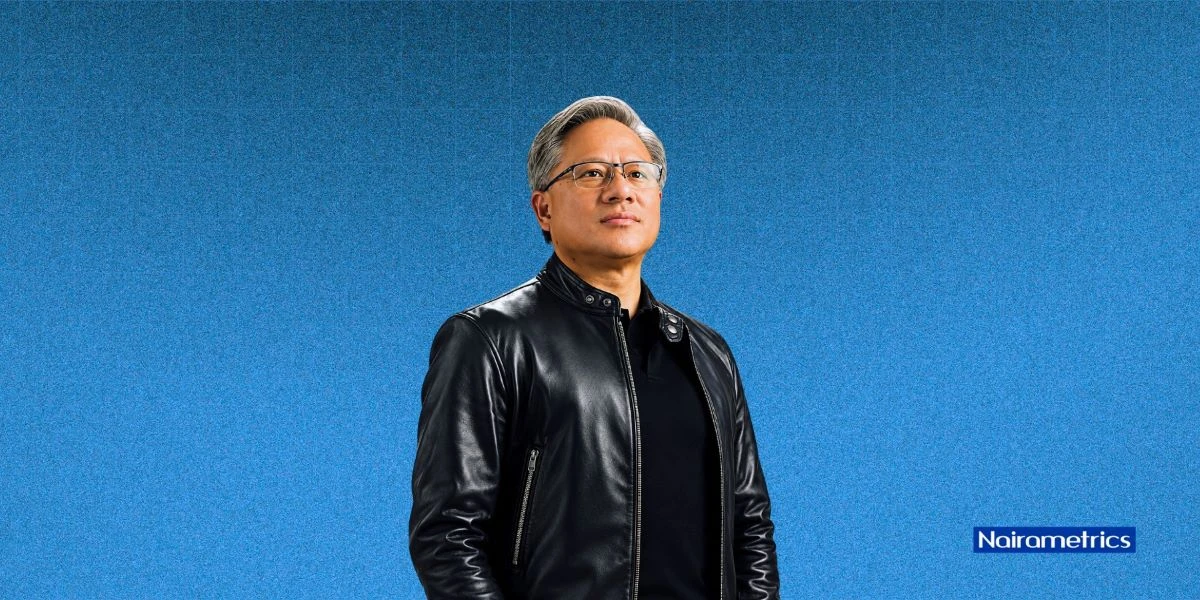
Jensen Huang’s resignation from Nvidia in November 2026 brought a fresh dimension to the debate over personal conduct and corporate leadership, given the company’s importance to the global semiconductor and artificial intelligence industries.
The Nvidia co-founder resigned as president, CEO and a member of the board, effective November 11. The company announced his departure publicly on November 12, following revelations about his extramarital relationships.
Reuters reported that Huang had relationships with Nvidia employees, including healthcare executive Kimberly Powell, as well as Chinese businesswoman Alice Huang. The news agency subsequently reported another intimate relationship involving a second Nvidia employee, citing two people familiar with the matter.
The controversy attracted attention beyond corporate governance because US intelligence officials reportedly suspected Alice Huang of links to China’s Ministry of State Security and were investigating whether information may have been passed to Beijing.
However, US Attorney General Todd Blanche said the Justice Department had not reached a conclusion on whether Alice Huang was a spy. The reported suspicions should not be treated as proof that she worked for Chinese intelligence or that Nvidia’s confidential information was compromised.
Nvidia’s board had also initiated an independent investigation into reports of a possible foreign intelligence effort targeting the company. The company said it had no reason to believe its national security interests or confidential information had been compromised.
Following Huang’s departure, Nvidia appointed its longtime Chief Financial Officer, Colette Kress, as interim CEO while beginning the search for a permanent replacement.
Huang subsequently expressed willingness to return if the board considered it to be in the best interests of shareholders and employees. However, Nvidia Chairman Harvey Jones said on November 17 that the board would not rehire him, confirming that the company would proceed with its search for a new CEO.